The short answer
Because in a street of joined buildings every roof relies on lead and flashing at its edges, and that metal tends to wear out sooner than the slates or tiles it shelters. A cracked valley liner or a loose party-wall flashing sends water behind the slates or tiles without any sign on the slope.
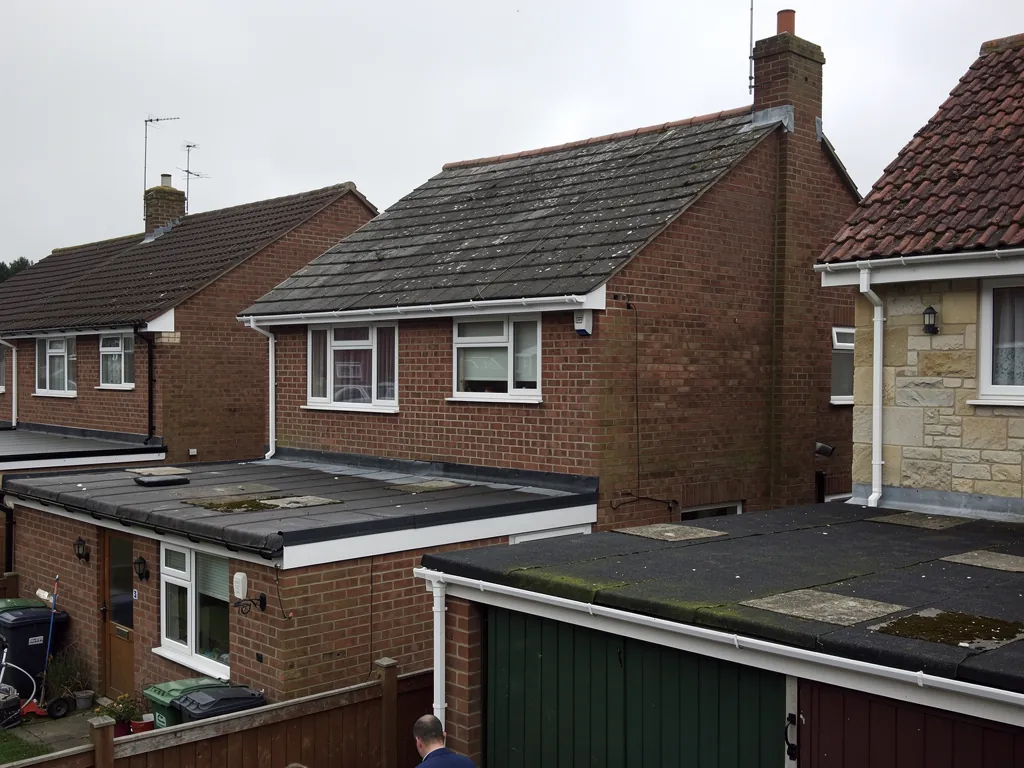
On a detached house, the roof stands alone and drains in every direction. In a historic street like Cricklade's, neighbouring buildings share walls, gutters and stacks, and the edges between them carry far more water than their size suggests. Most leaks reported in terraced rows trace back to the junctions rather than the field of tiles.
Q1.1Why is a valley the wettest line on the roof?
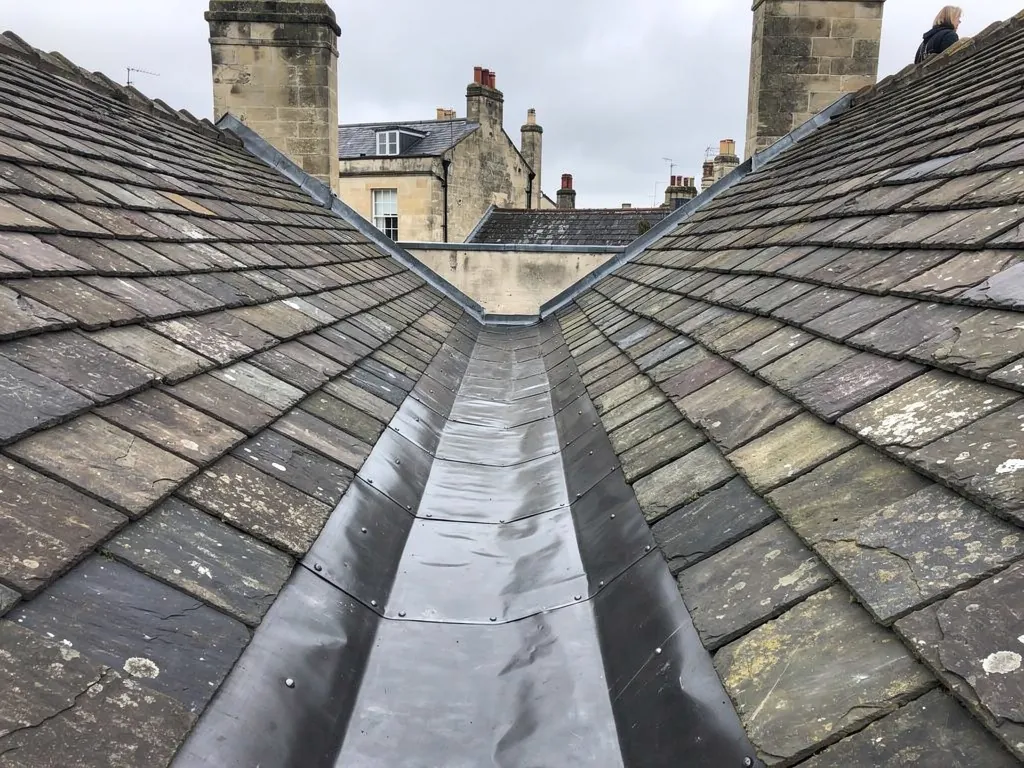
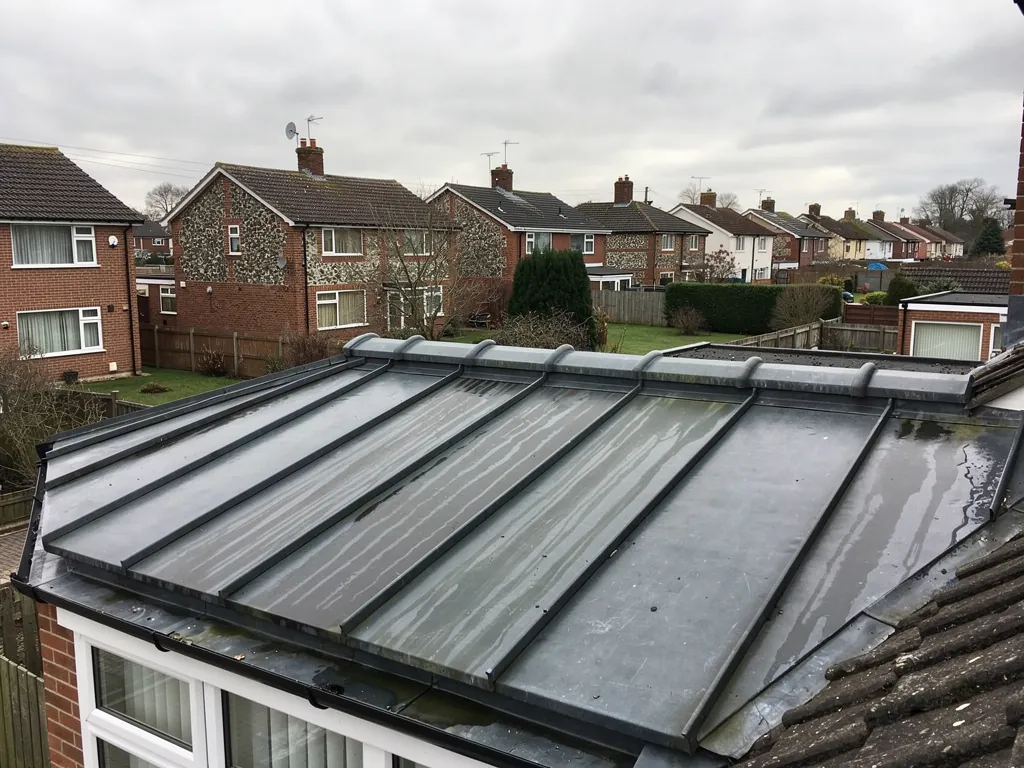
Where two slopes come together they form a valley, a trough that gathers the run-off from both and delivers it to the gutter. That makes it the wettest line on the whole building. Lead valleys outlast the covering on either side if they are laid in a suitable thickness and kept clear of leaves and moss. When they crack, the leak often shows inside long after the damage began.
Q1.2What fails where a roof meets a taller wall?
Wherever a slope runs up against a taller wall, a stepped flashing is let into the brickwork and a small lead soaker tucks beneath each course of tiles. The pointing that holds the lead in the wall wears away, and the lead lifts. Our lead roofing page explains the sheet codes used for each position.
Q1.3Who looks after a stack shared by two houses?
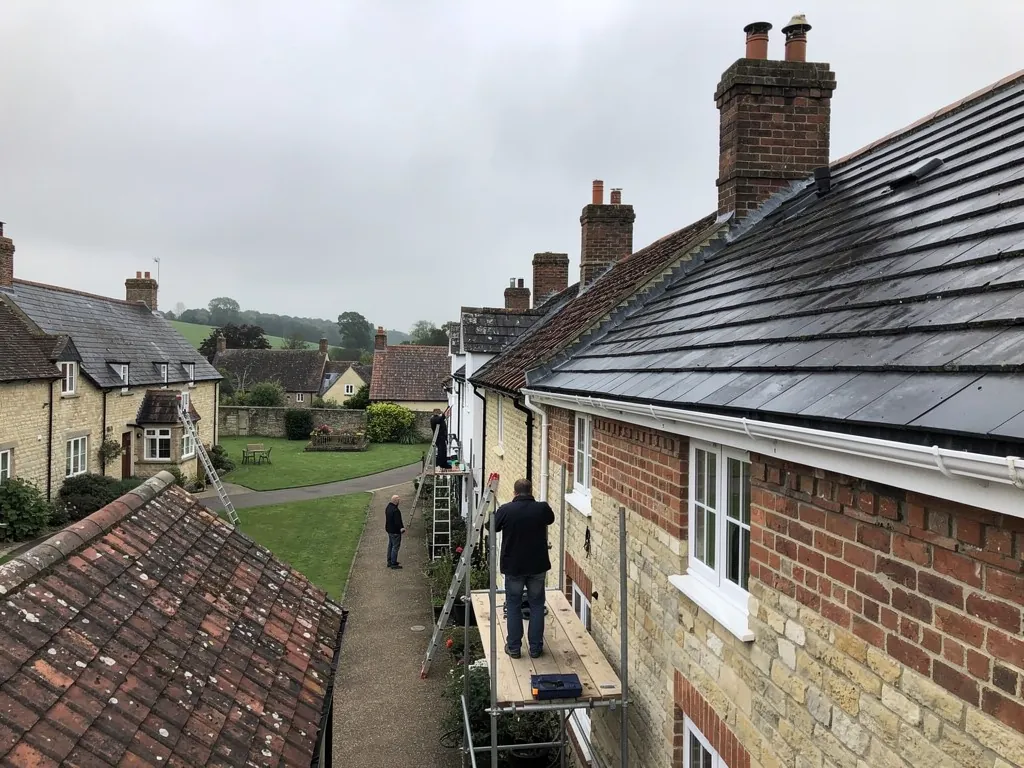
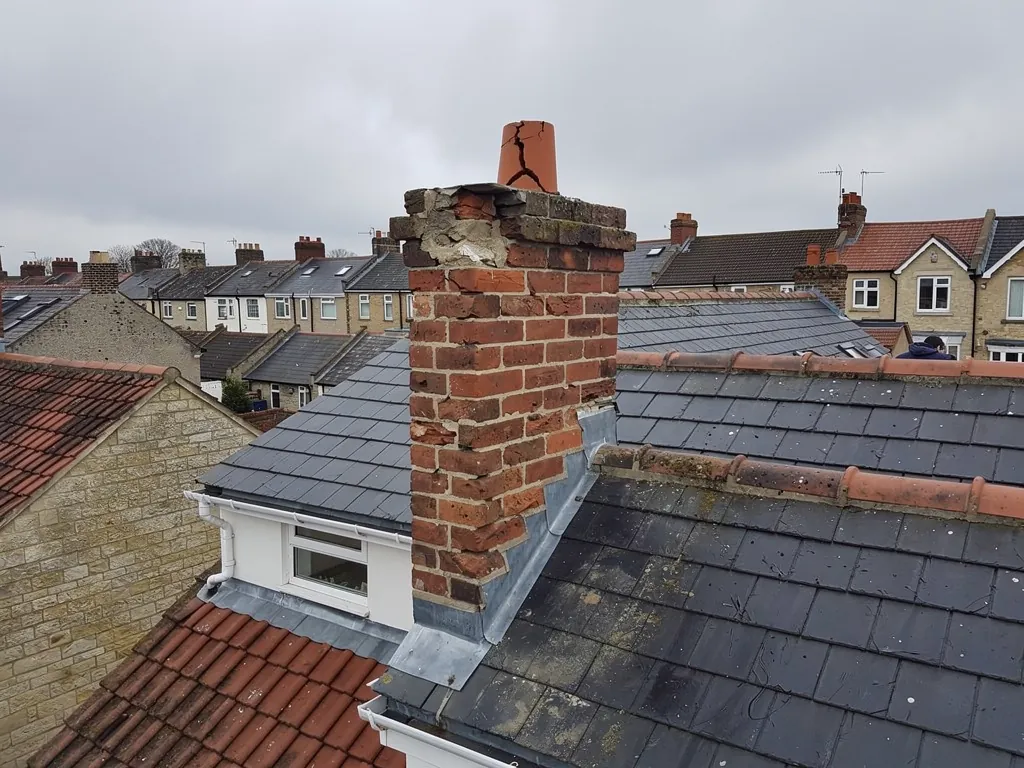
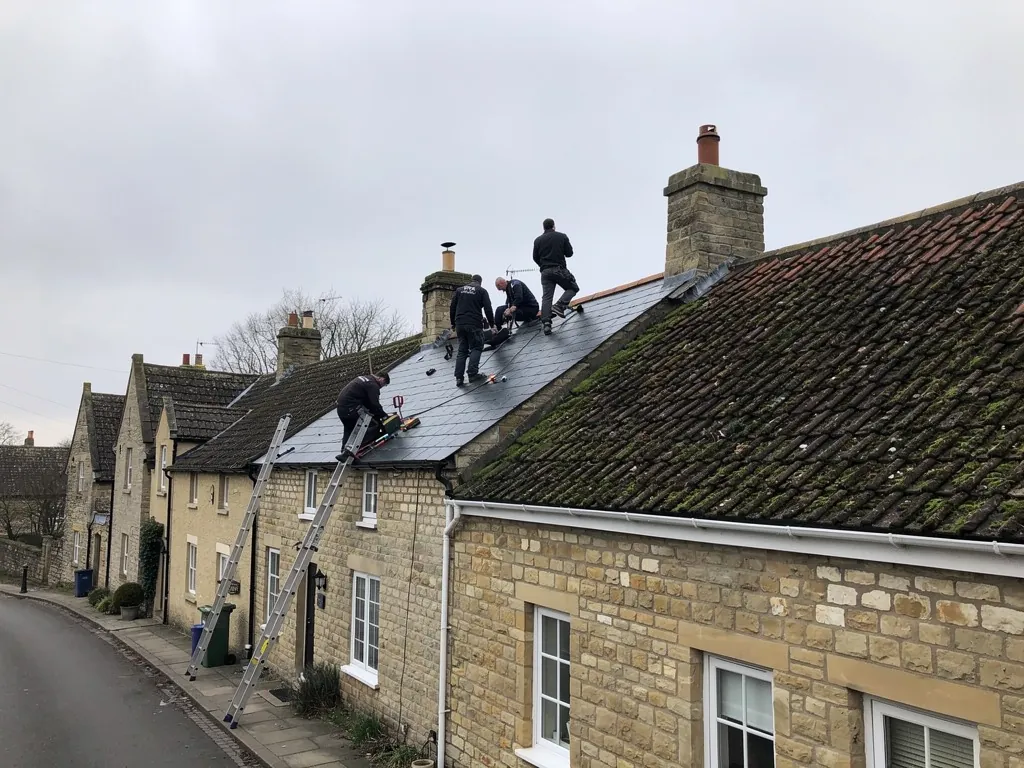
Chimney stacks that serve two houses are costly to reach and easy to neglect. Flaunching at the pots cracks, brick faces flake and the flashing round the base lets go. We examine them by ladder or scaffold, then photograph what we find.
Looking for the joint first, before looking at the slopes, saves money for neighbours as well, because one scaffold can serve several repairs. When a terrace is being worked on anyway, it makes sense to ask next door whether their flashings and stack need attention at the same time, since the access cost is shared and the lead on each side of a party wall is usually the same age.