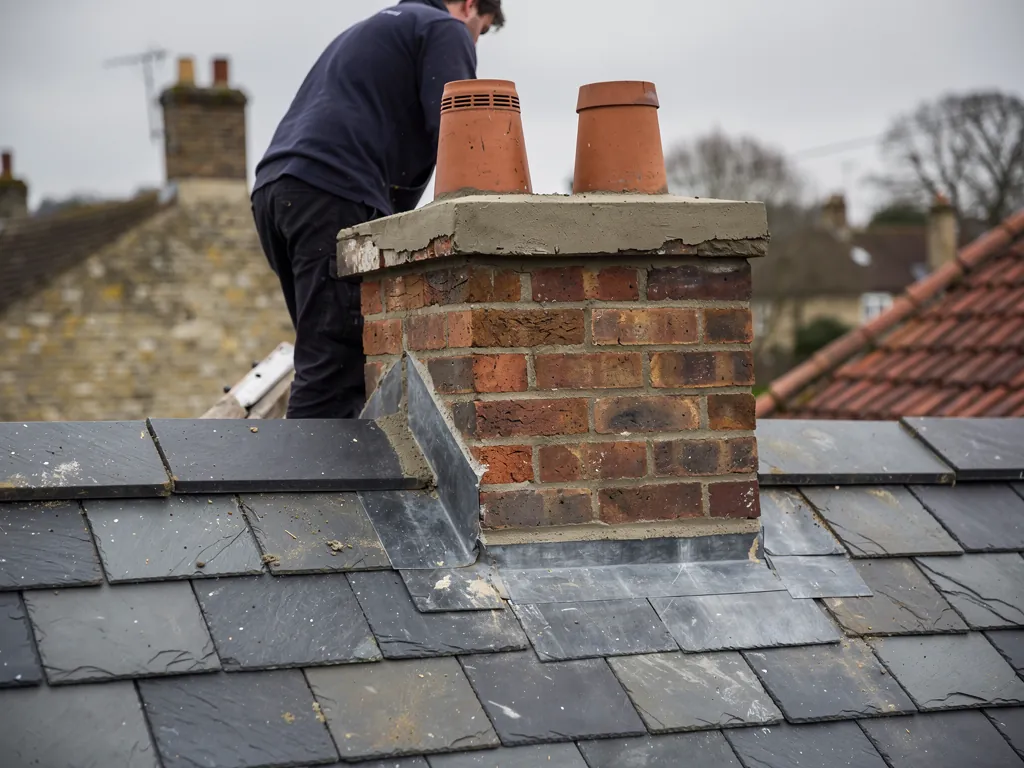
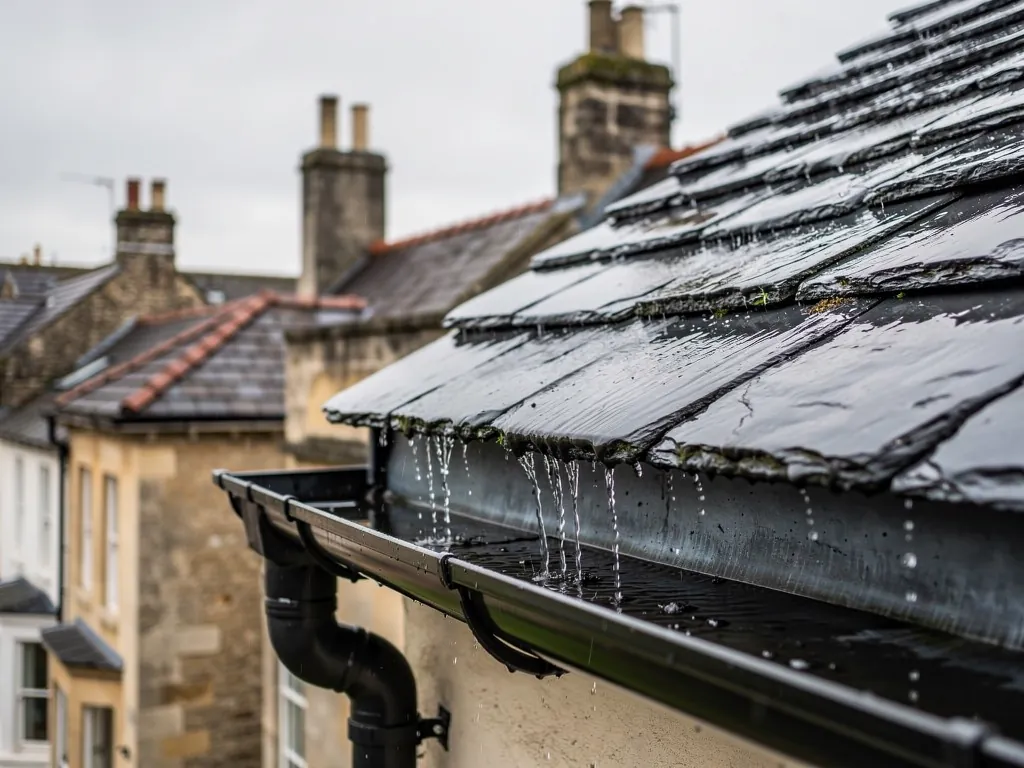
North Hinksey has a designated conservation area, recorded by the Vale of White Horse District Council in the national planning dataset. What matters for a roof is how the status is used in practice.
Q2.1Does a plain re-roof need the council's approval?
Typically not, provided the replacement matches what came off. Anything that visibly alters the building, a different tile, a new colour or a re-pitched slope for example, belongs on the Vale council's desk before it belongs on your roof. Larger works can also call for a building control application: the Vale and South Oxfordshire run a joint building control team called Southvale, and a registered building control approver is the alternative.
Q2.2How can I tell whether my North Hinksey house falls inside the boundary?
Ask the council, or look at its published conservation area map. Street names alone are not a reliable guide, because a boundary can run through the middle of a road. We recommend checking before the survey, so any constraint is known when the quote is written.
Q2.3Does a plaque on a cottage mean it is listed?
No. A plaque marks a history, such as the Ruskin connection here, and says nothing about legal protection on its own. Listing is a separate record held by the national heritage list, and it determines whether listed building consent is needed. On a listed house, the consent rules reach any change that touches its character, the covering included.
Where consent matters, we set the materials and method down in writing so you can pass the details straight to the council. A neat description of tile size, colour, fixing and supplier saves a round of questions, and photographs of the existing roof show what is being matched. If the council asks for changes, we adjust the specification and re-issue the quote.