The short answer
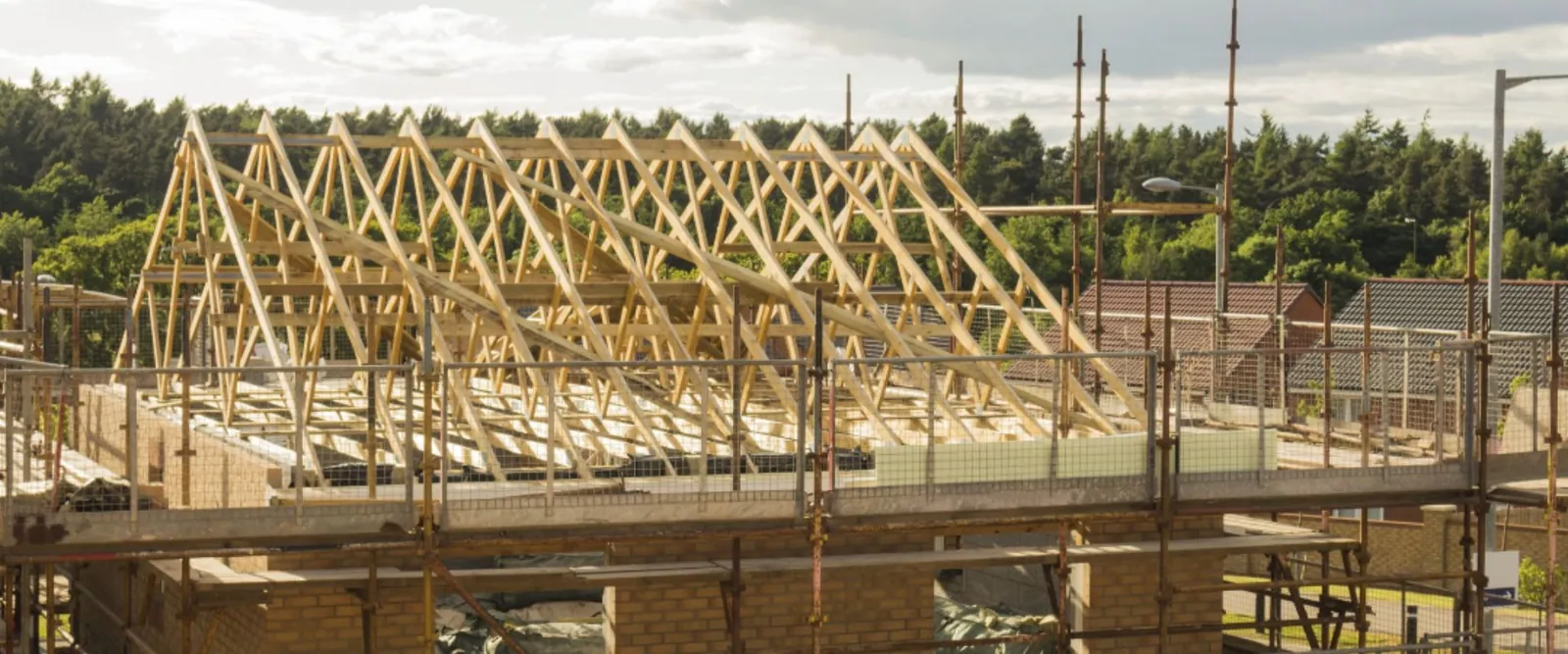
Very old on the ground, but the covering is usually much younger. The village goes back to the Domesday era, yet most roof coverings have been renewed since, often more than once. What matters is the structure under the covering, which can be centuries older than the tiles above.
When people picture Sunningwell they picture the church, with its 1246 nave and 15th-century tower. The houses around it have their own histories, and a roof over an old frame is usually the latest of several.
Q1.1Does an old building mean an old covering?
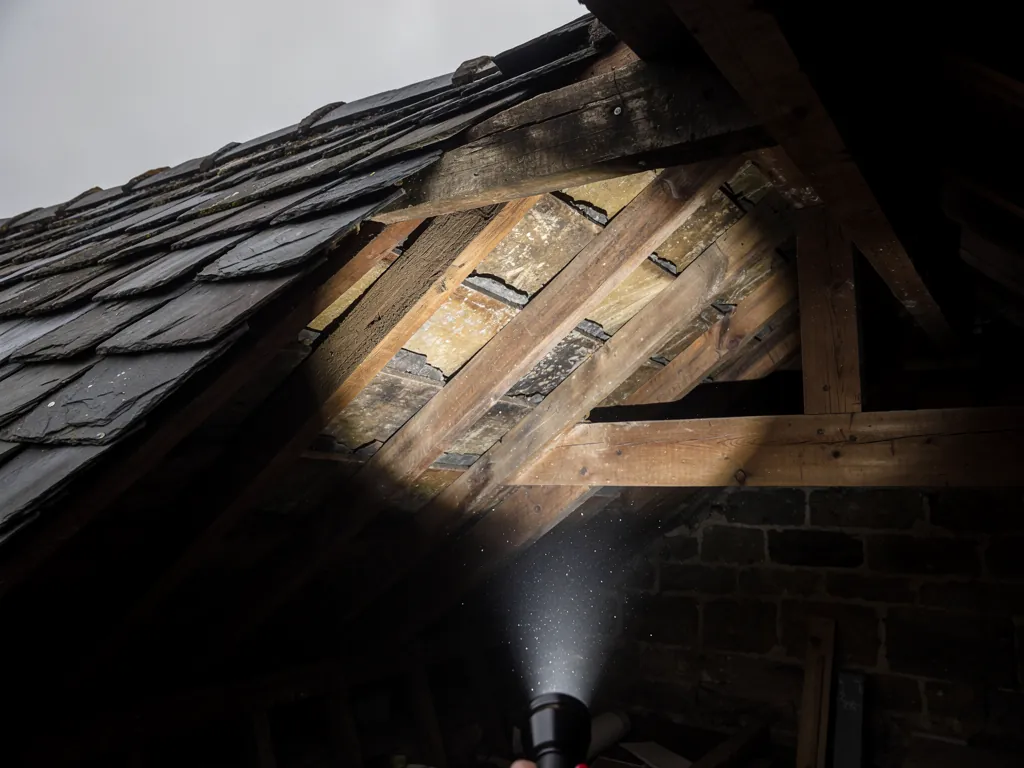
Not necessarily. The timbers can date from long ago while the tiles were laid within living memory. We lift a tile or two in the loft side to see how the covering is fixed, what is underneath, and how much of the original timber is still sound. What we see there decides if patching will last, or if the old timber is being asked to carry more than it can.
Q1.2What does the loft tell us that the outside cannot?
Plenty. Chinks of light, dark marks on rafters, damp insulation and rust on nail tips under slates each point to a particular fault. A lined roof has underlay, a membrane beneath the tiles that sheds any water that gets past them, while an older roof may have none at all, and then every slipped tile is a direct route for rain. Our roof inspections and surveys page describes what the photographs show.
Q1.3Should an old roof be replaced as a precaution?
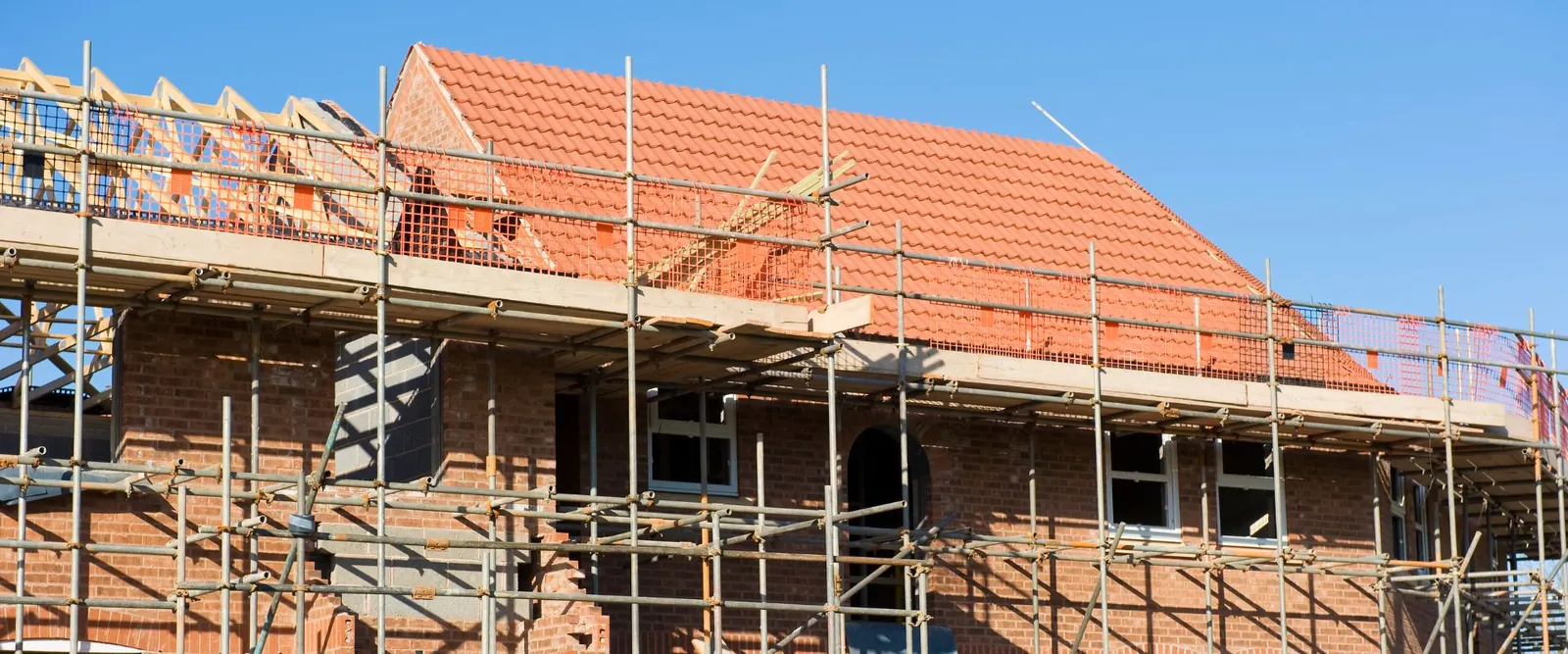
No. Where we can, we keep the work to what the fault needs, and on many older roofs that means a handful of tiles, a new flashing or a rebedded ridge. A full strip makes sense when the battens, which are the strips of timber the tiles hang from, have rotted and the underlay has perished, because fixing tiles to soft battens only postpones the problem.
A short note on timing: an ageing roof seldom gives up in a single night, so a survey in a dry spell, before the autumn gales, gives you room to plan the work and choose the right moment for it rather than reacting to a leak at the worst time. Whatever turns up, you receive the quote in writing after the visit, along with pictures of your own roof so each step of the advice can be checked against what is actually up there.