The short answer
A handful of single buildings tell the story: Stonesfield slate on the manor house, thatch on one 17th-century cottage, and the pitched roofs of Victorian and modern homes. No one covering describes the village, so each roof is read on its own merits before anything is quoted.
Finstock is a small village, and its roofs are best read one at a time. The listed manor house carries Stonesfield slate. A 17th-century cottage on the High Street is thatched. Holy Trinity, built in 1841, adds a Victorian note, and the homes put up since then bring materials of their own.
Q1.1How do you read a roof you have not seen before?
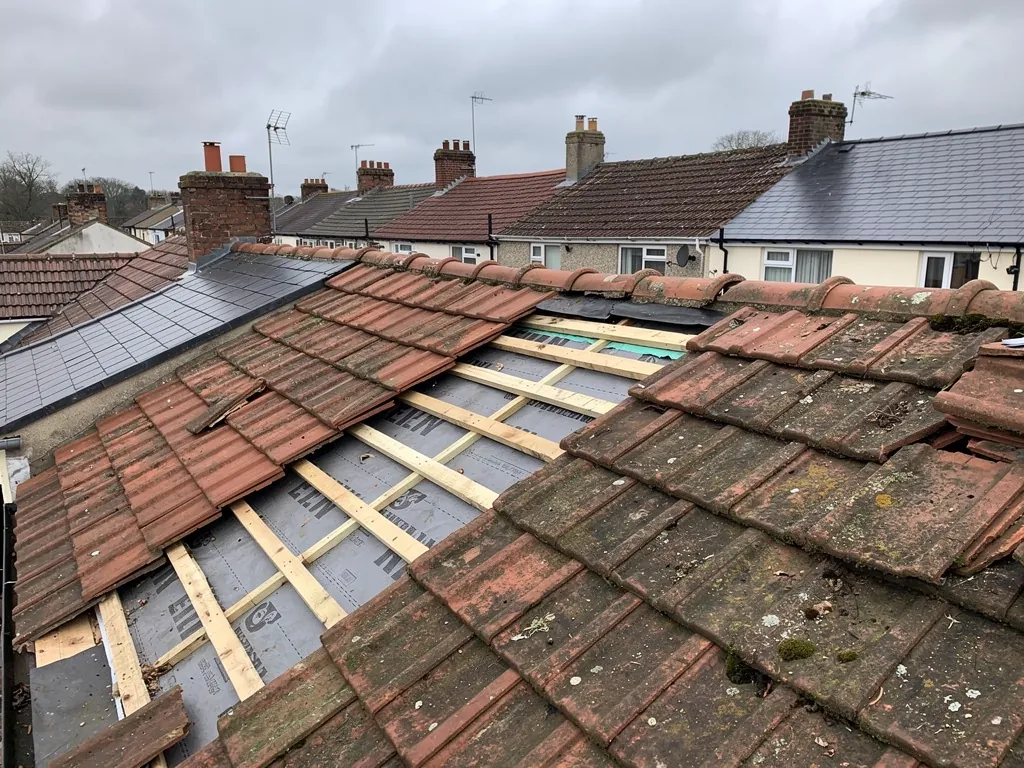
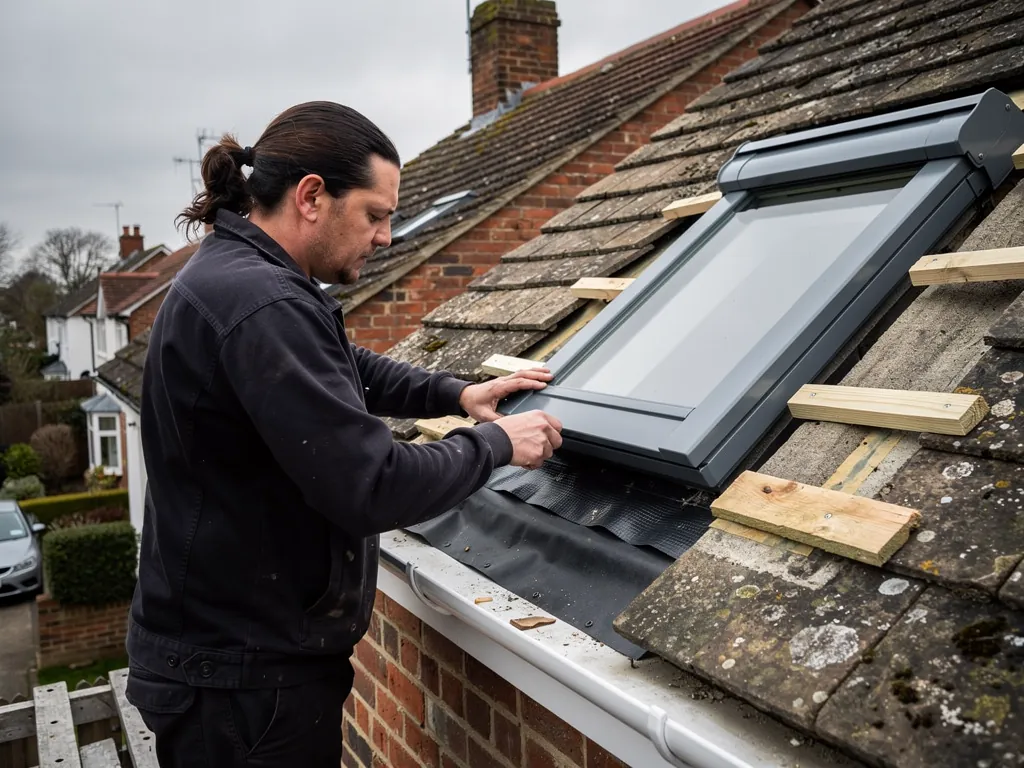
We start in the loft where we can, looking at the underside of the covering, the battens and the timbers. Daylight showing through, dark staining on a rafter and damp insulation each point to a different fault. Outside, we look along each slope for slipped or cracked pieces, then at the ridge, the verges and every junction with a wall or chimney. You get photographs of the fault itself alongside the written quote.
Q1.2Which part of an old village roof fails first?
Usually the details, not the covering. Lead flashings crack where they have flexed with the seasons, the mortar under a ridge crumbles, and gutters choked with leaves spill water down the wall. A stack that leans slightly may only need repointing, or it may need rebuilding, and we say which. Our chimney repairs page covers how we judge repair against rebuild.
Q1.3Does thatch next door change how you work?
It changes how we plan. Flames and sparks stay well away, the thatch is protected from falling debris, and we stage the job so that no slope is left open to the weather overnight. Where a flashing meets a wall shared with thatch, we take extra care that water is directed away from it.
None of this needs a long programme. Most repairs here are small, targeted jobs, and the written quote names the fault and the fix.