The short answer
That depends on the age of the building. An older house may carry a much-patched covering on timbers that have shifted, while a newer one usually has plain tiles whose fixings and flashings are wearing out. Our camera records the slopes, and the quote is put in writing.
Eynsham has no single type of roof. A village settled long before the abbey went up in 1005 gathers all sorts of buildings, and its newer streets add a second layer on top. Only a survey separates one roof from another.
Q1.1What do you look at first on an older house?
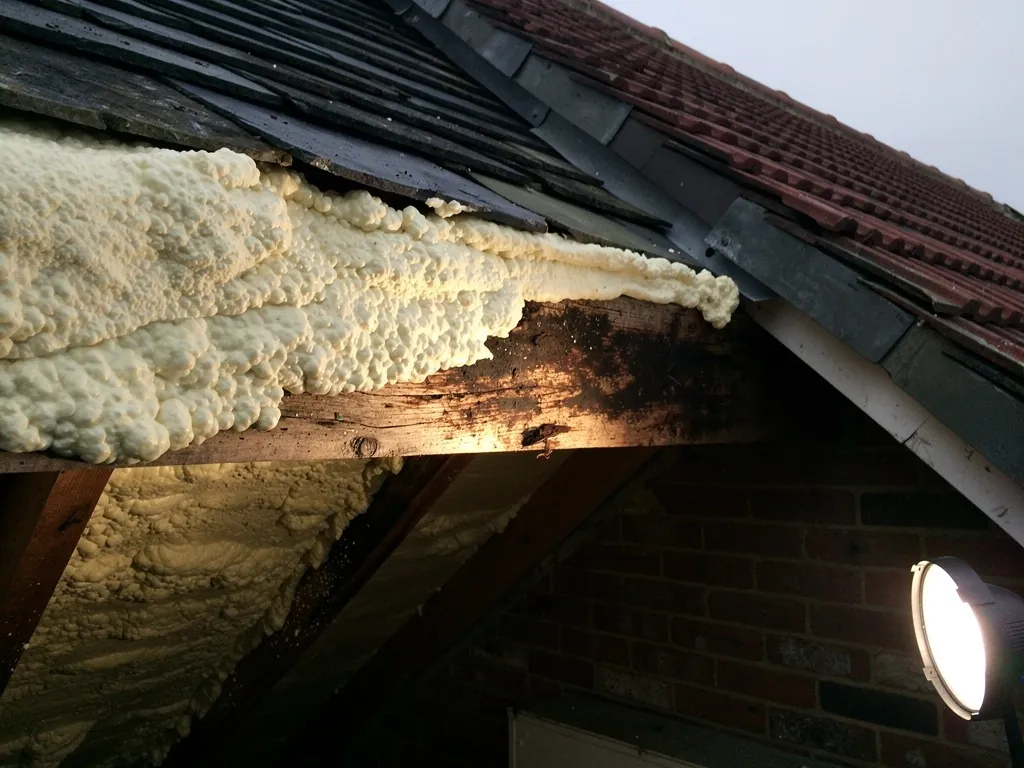
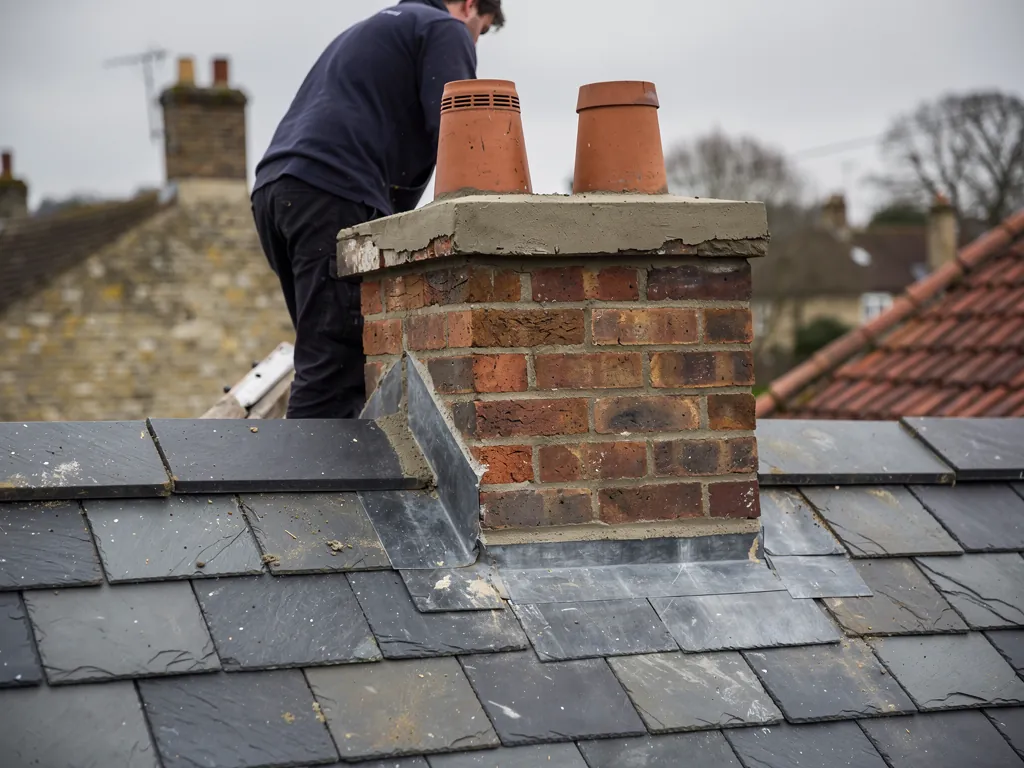
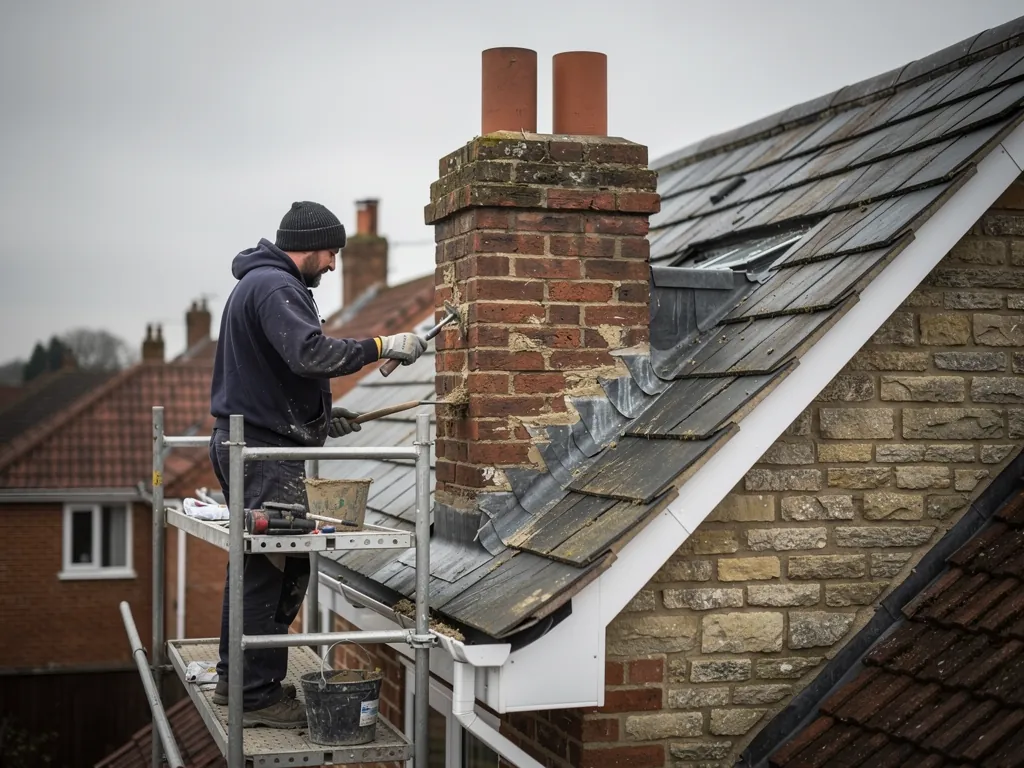
The ridge line tells us plenty. A sagging ridge, a wavy slope or a gable that leans slightly points to timbers that have moved, and that changes the repair. Then we study the verges, where the slope finishes against a gable wall, and the chimney, where old flashings and cement fillets give up early. From the loft we look at rafters and battens for daylight, stained timber or old repairs. Our roof repairs page shows how a minor fault is told apart from a bigger one.
Q1.2What goes wrong on newer estate roofs?
Later tiled roofs fail in smaller, repeatable ways. Tiles crack or slip, the underlay (the membrane beneath the tiles) splits, ridge and verge fixings loosen, and lead flashings at a porch or an extension lift in the wind. Many of these jobs are repairs rather than replacements, and the fix we suggest is the narrowest one that cures the fault.
Q1.3Why do you photograph the roof?
The pictures show what we saw, which spares you from simply believing us, and you can pass them to a neighbour, a surveyor or a relative. The written quote arrives as one total price after the survey, never as a figure called out from the pavement.
If access is awkward, perhaps behind a terrace or over a rear extension, we note it at the visit, because access and the height of the eaves both shape the price.