The short answer
Slowly, in stages. The frame comes first: we inspect the timbers, work out what the roof really asks of them, and repair or re-cover just the area that has failed. A full strip is the last resort on an old frame.
Sight along the ridge of an old Easterton cottage and it will probably undulate. That is the frame, shifting and settling for a few hundred years, and it belongs to the house. A covering has to follow the frame instead of fighting it.
Q1.1Why does an old frame make the roof uneven?
Oak shrinks, joints loosen and walls lean a little, so the plane of the roof drifts away from true. A modern covering laid hard and straight over that drift leaves gaps, so the tile or slate has to be chosen and laid to follow the line already there. Our pitched roofing page explains how coverings differ in how they cope with this.
Q1.2Can you swap the covering without disturbing the frame?
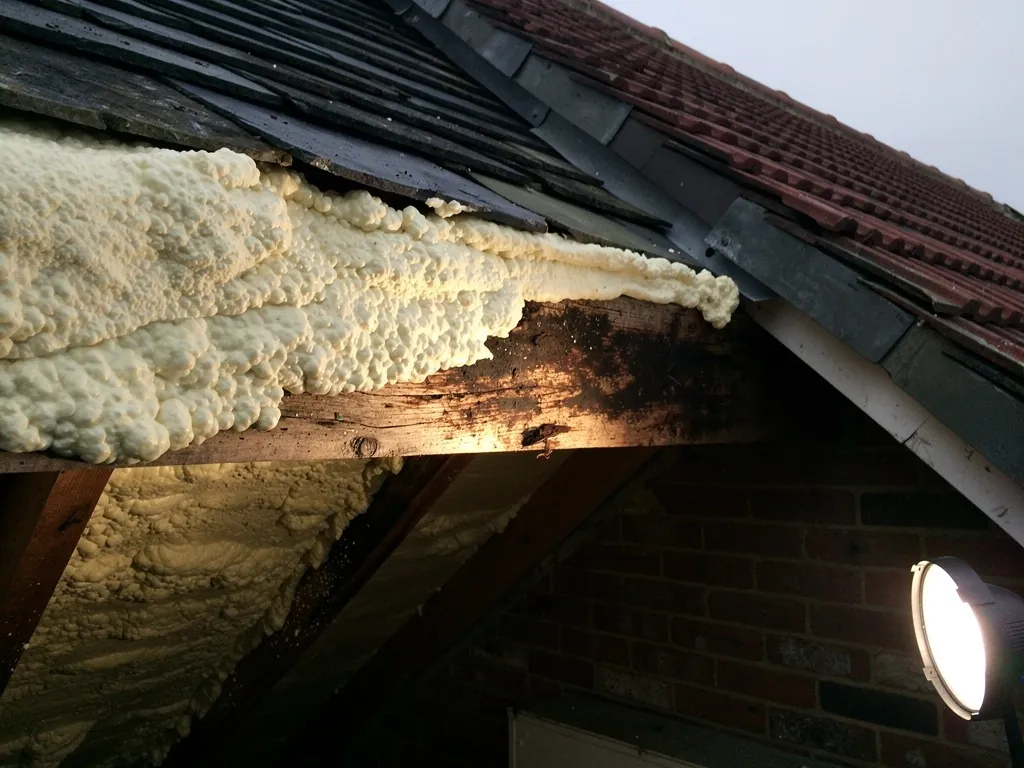
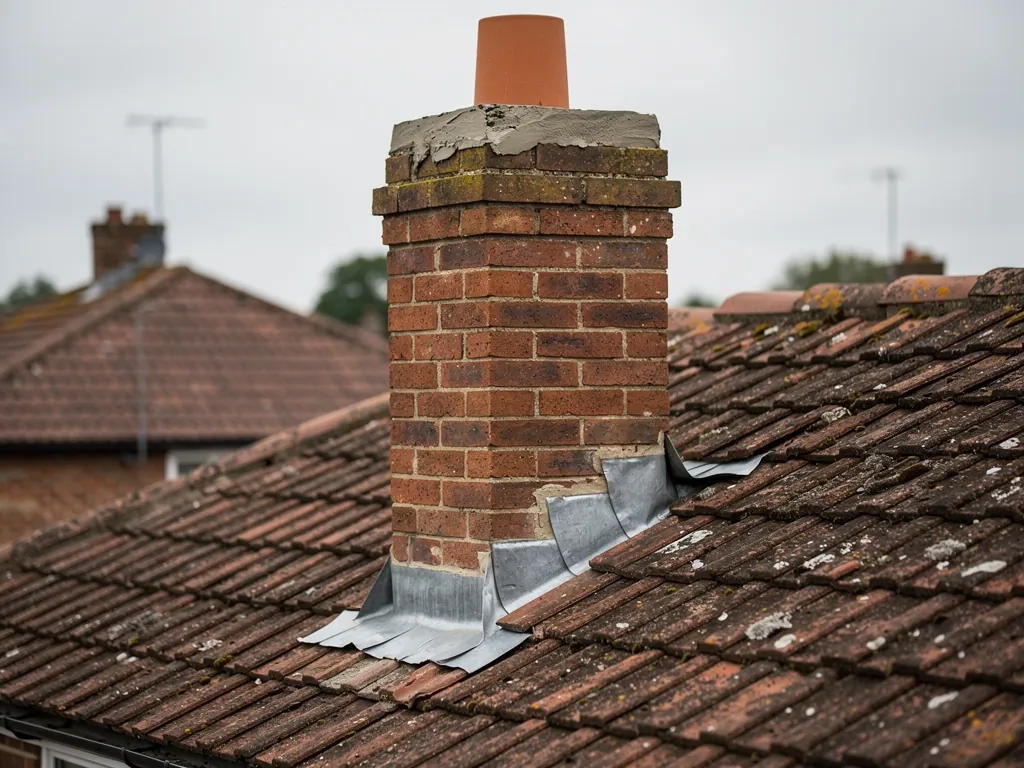
Usually, provided the new material weighs about what the old did. The rafters and battens are what we lift and replace, section by section, working from a platform that spreads our weight rather than concentrating it on one rafter. Rot tends to start at the eaves and the foot of valleys, where water lingers, so those are the first places we probe with a screwdriver, while the lead at the abutments gets a close look in case it has split. Replacing a timber means sistering it, not cutting it out, whenever the old one still has life.
Q1.3What if the frame itself is the problem?
Then no covering will cure it. A rafter that has dropped, a wall plate that has rotted or a purlin that has split wants structural attention first, and the survey photographs show it before any quote for covering work is written. If an engineer's opinion is needed, we tell you plainly. We recommend whatever modest job puts the fault right for good, and on an old frame that often means a repair, not a re-roof, and our roof repairs page shows what that looks like.
One practical point: on a timber-framed house the loft is usually where the evidence is. Stains on the timbers, daylight between tiles and soft spots under a screwdriver tell us more than the view from the street.