Buildings that have survived since the 12th, 16th and 17th centuries have survived because someone kept the weather out of them. The roof is the first line of that defence, and each generation has patched and re-laid it.
Q2.1What happens before a repair starts?
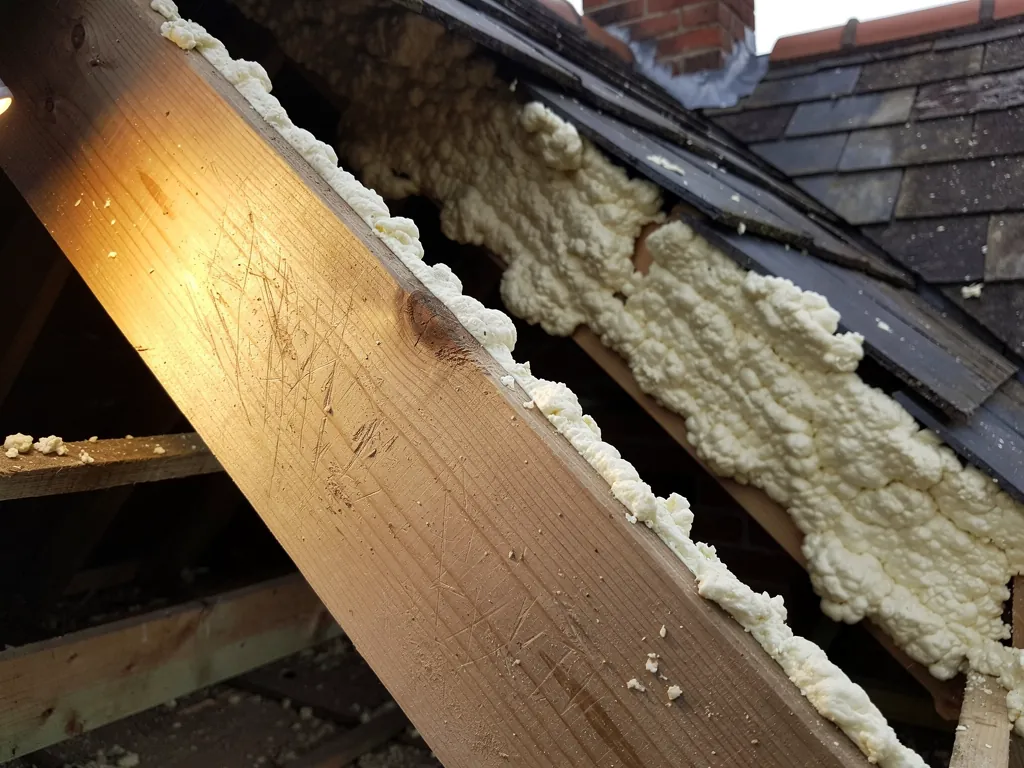
We photograph the roof from outside and from the loft, recording what the covering is, what shape the timbers are in and whether earlier repairs used the wrong material. A tile that looks similar from the ground may be a different size or a different thickness up close, and that matters when it must lie flat beside its neighbours.
Q2.2Can old tiles be reused?
Often. Whole tiles are taken off carefully, graded for size and thickness, then hung again on new battens, with broken ones replaced from carefully chosen stock. An old covering still in good order is worth more than a new one, and keeping it preserves the look of the building. Our pitched roofing page explains the main coverings and how they age.
Q2.3Is lead or other metalwork involved?
Nearly always. Valleys, chimney flashings, abutments and porch roofs rely on it, and ageing lead is a common starting point for leaks. A split in one fold can be repaired, but a long failed run is better renewed.
Where a structure is old and uneven, the aim is to work with the building, not force it flat. A roof with a gentle dip is part of what makes it look right, and a repair that follows the same line sits comfortably beside the original work. Ridge tiles on older roofs are often bedded in mortar alone, and since BS 5534 was revised in 2014 that is no longer relied on, so a re-bedded ridge is also mechanically fixed.