The short answer
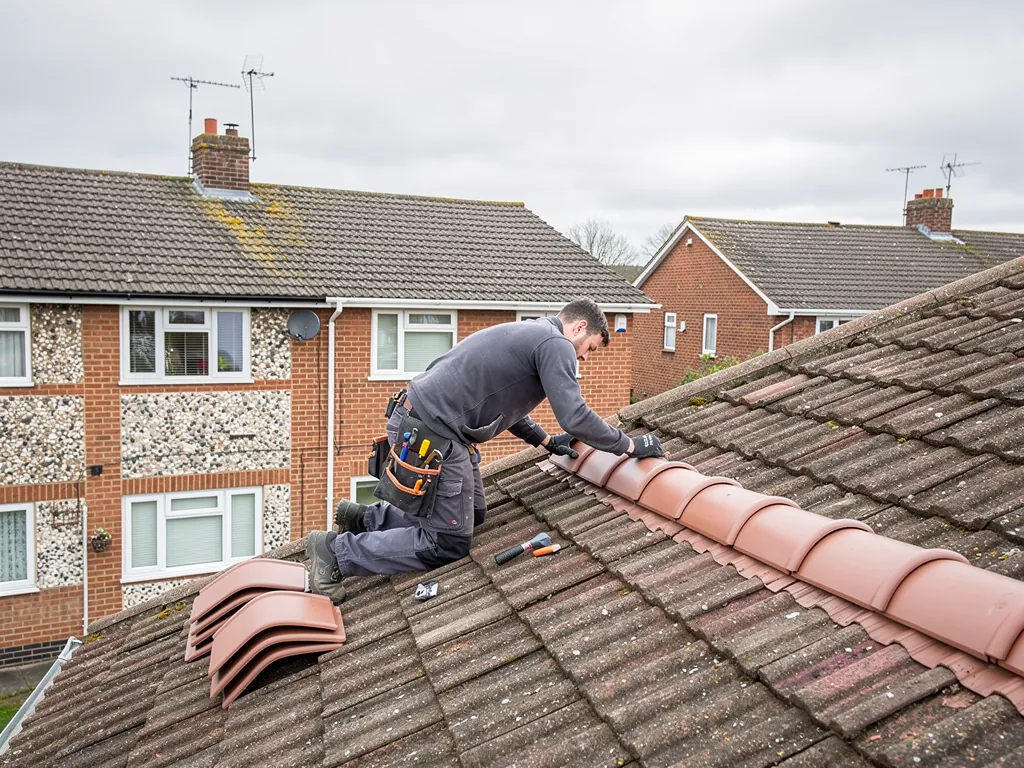
By mending the fixings and the junctions before the stones themselves. Stone roofs can last a very long time with regular care, so the usual job is re-hanging slipped stones, renewing battens or pegs where they have failed, and re-bedding ridges, not stripping the whole slope.
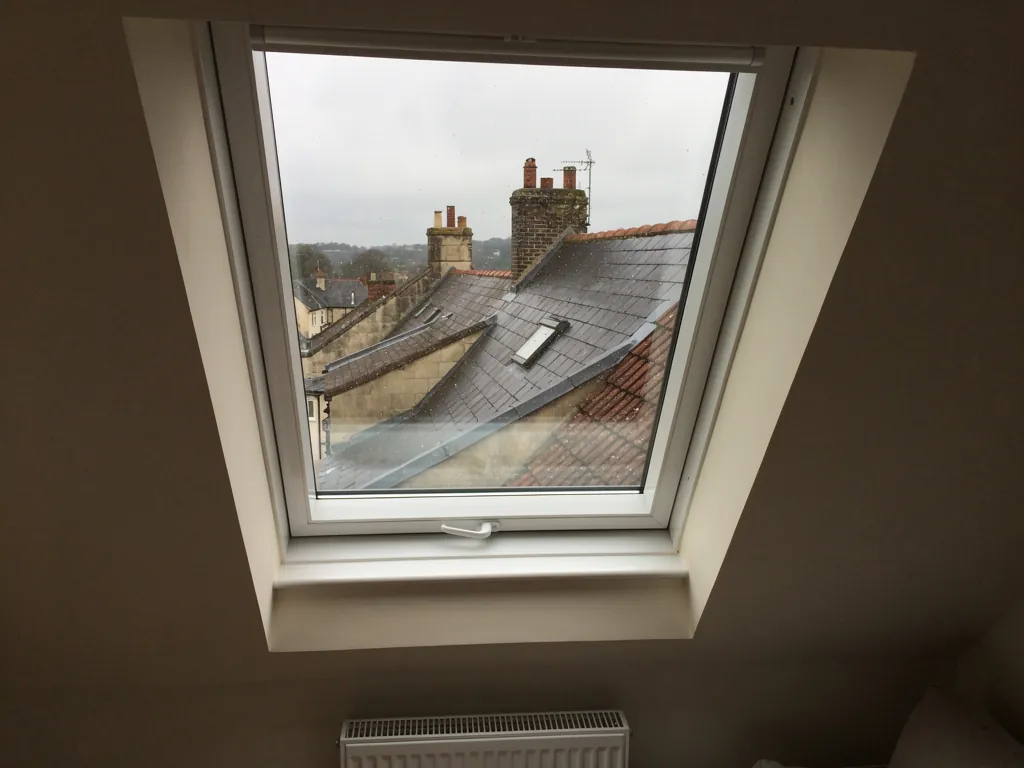
Where a house in Biddestone carries a stone roof, it belongs to a tradition that runs along the Cotswold edge. Cotswold District Council's old technical guide to stone slate roofing states that, looked after regularly, such a roof can easily last 100 years and could last two or three hundred.
Q1.1What actually fails first?
Rarely the stone. The pegs holding each slate rot, the battens soften and the ridge bedding breaks down. A few slates slip and let water in, and the next few follow. Re-hanging them on sound fixings is the usual repair, and it keeps the original courses intact. In the traditional pattern the largest slates sit at the eaves in a double course and they shrink towards the ridge, which is why matching a repair means getting the sizes right as well as the colour.
Q1.2How heavy is the covering?
Very. The council's guide puts it at about 1000 kg per 10 square metres. That weight helps these roofs last, and it is why a substitute covering needs a structural look first: any change of material, lighter or heavier, shifts the load carried by every rafter. For everyday faults, our roof repairs page shows how we scope a small job.
Q1.3Can the stone be reused?
On the building it came from, yes, and that is the preferred route. Our Cotswold stone roofing page explains how a strip, sort and re-lay is carried out, and why the slope is photographed before a single slate comes off.