The short answer
By having its edges held down properly. Ridges, verges and eaves take the wind first, and fixings on those lines, sound battens and an underlay that is tight at the eaves do more to keep a roof intact than the choice of covering does.
The village lies below the Berkshire Downs escarpment, with Segsbury Camp on the hills a little over a mile to the south. Trees shelter some houses and others stand open. A roof here does not need heroic measures; it needs sound edges, and a careful look at them every few years.
Q3.1Where does the wind get in?
Wind pushes up under tile edges and lifts anything that is not properly held, and gusts swirl around gables and chimneys, so a roof can be sound on one slope and loose on the next. Ridges, verges and eaves are the weak lines. Since BS 5534:2014, a ridge or hip tile resting on its mortar bed alone falls short, so each one carries a mechanical fixing too, or the ridge is dry-fixed to a system tested under BS 8612. Underlay that is torn or slack at the eaves lets wind get beneath the covering and flap, which wears the battens and nails.
Q3.2Why do the eaves, gutters and fascias matter?
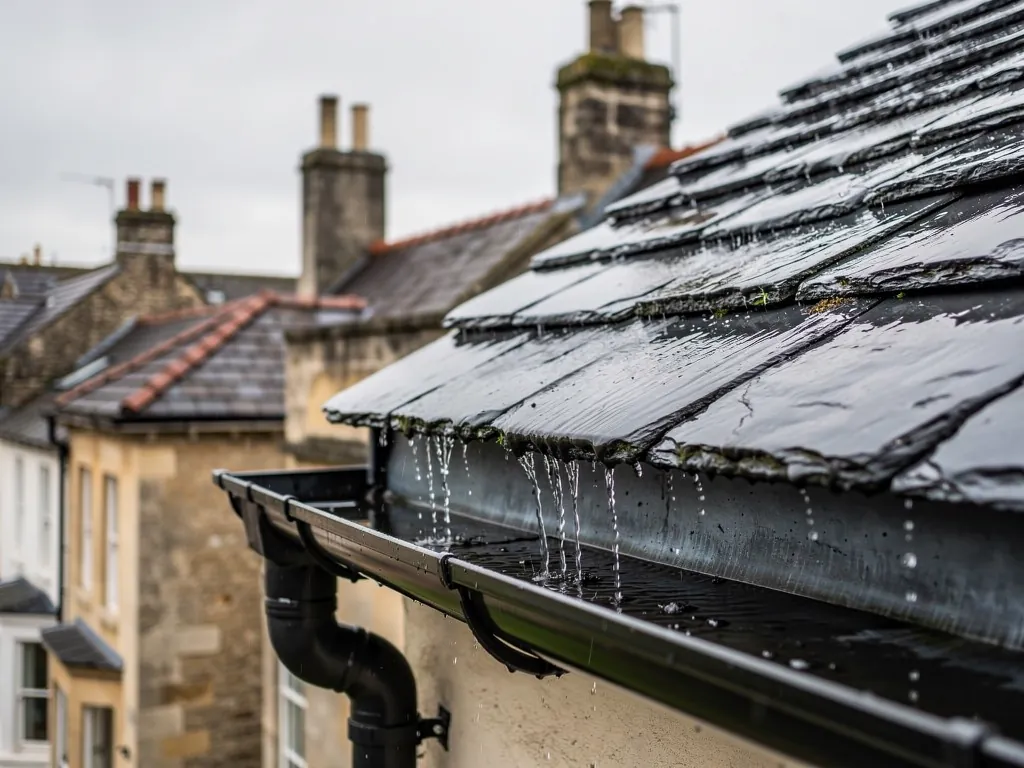
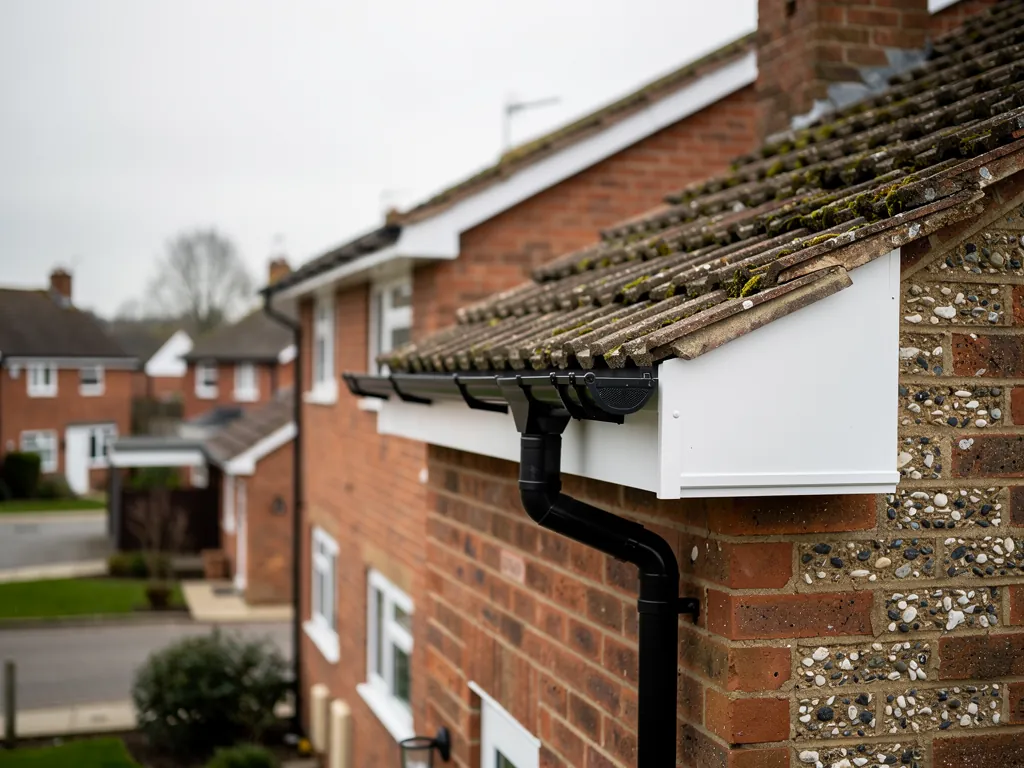
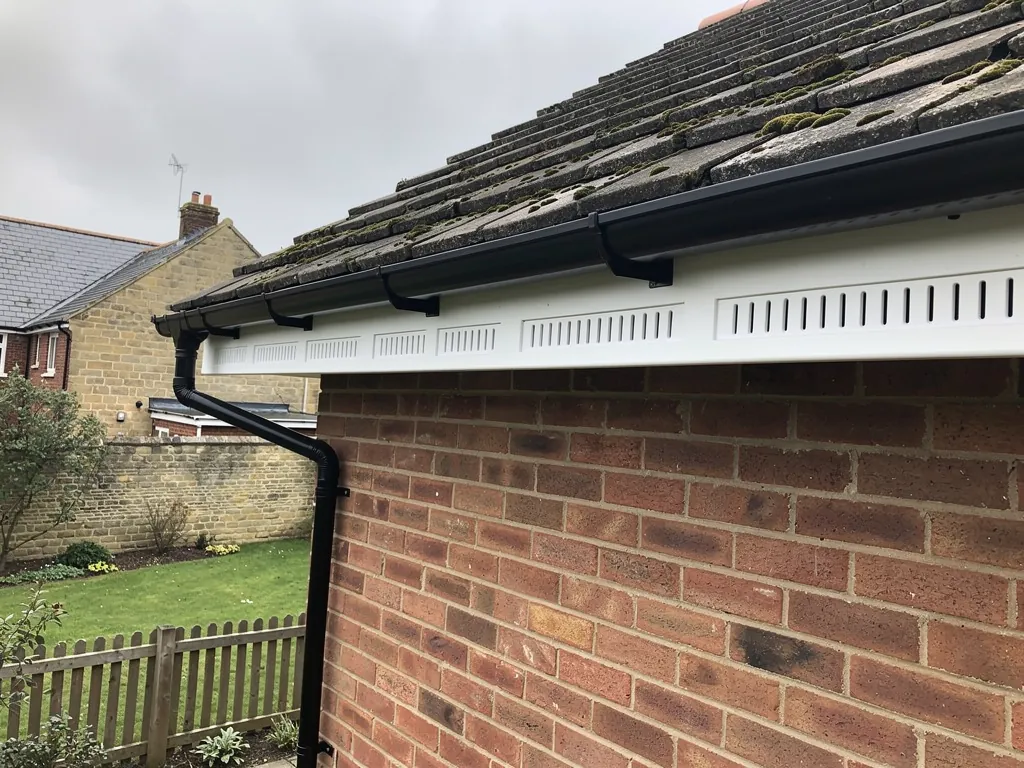
A gutter that sags or overflows soaks the lowest tiles and the fascia behind. Timber that stays damp rots, and rot at the eaves weakens the very place the wind lifts. A gutter clear-out, new brackets or a few replaced fascia boards can protect a good roof, and it is much cheaper to do that than to replace rotten rafter feet later. Our guarantee in writing runs for 10 years on the work we carry out. Our gutters, soffits and fascias page describes the options.
Q3.3Which edges get photographed?
The survey covers each edge in turn, with photographs, so you can see where a roof is held and where it is not. If a repair is needed, we keep it as small as the fault allows, and we clear the site before leaving.