The short answer
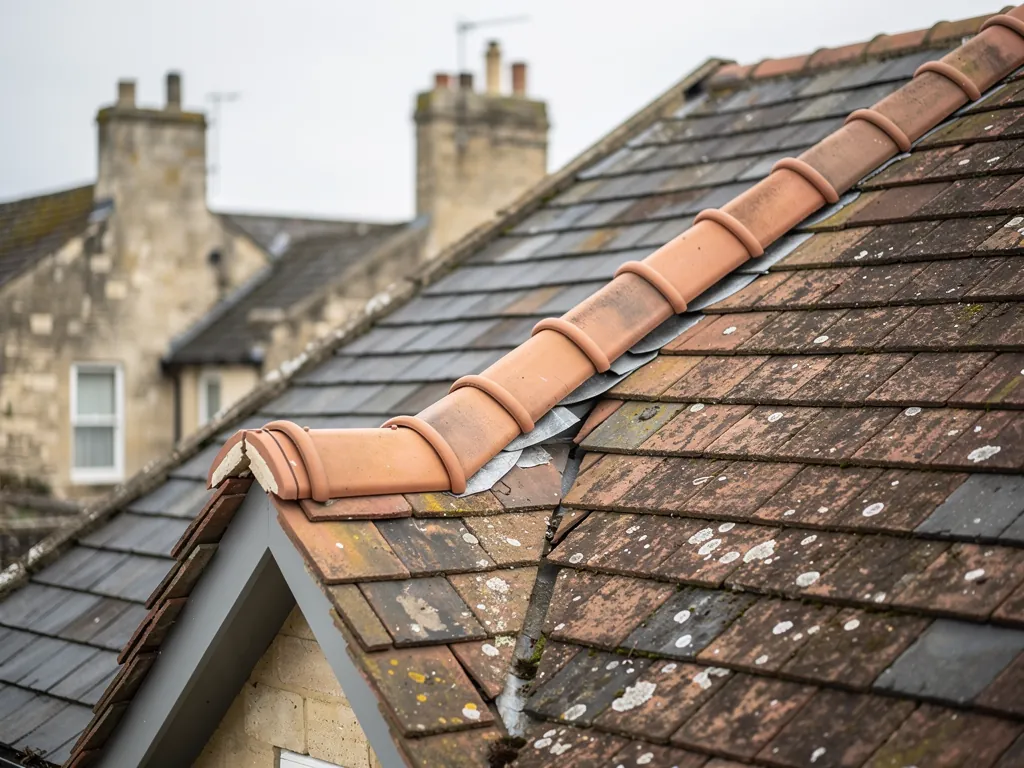
Older roofs near St Mary's and the river mills are patched, uneven and full of history, so repairs depend on what lies beneath. Later estate roofs are more regular, and their faults, such as slipped tiles, split underlay and tired flat sections, are easier to predict.
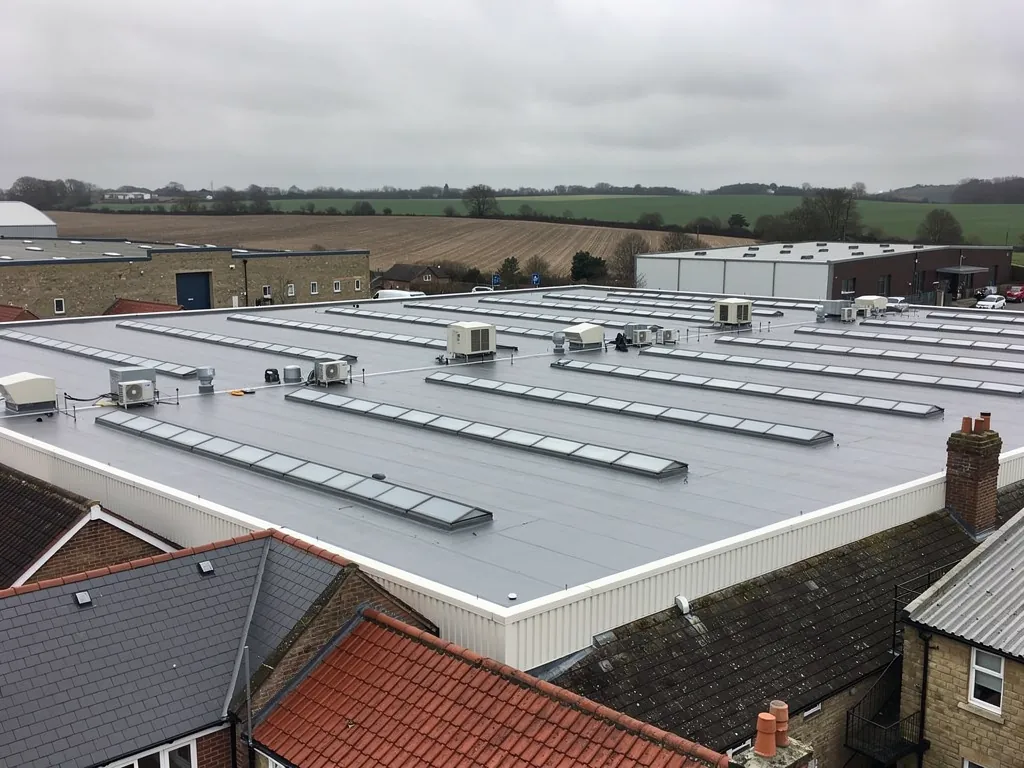
Greenham is a long, thin parish between two rivers, so a single street can move from a village cottage to a warehouse to a modern close within a few minutes' drive. That variety is why we never price from a description alone, and why the survey comes first. A cottage near the church and a workshop near the river share a postcode and almost nothing else. The materials differ, the loads differ, the access differs, and the likely faults differ, so the same repair rarely suits both.
Q1.1What are the signs of a failing older roof?
Look for a dipping ridge, tiles that have lifted out of line, or a chink of daylight in the loft. Inside, a damp patch that appears after wind-driven rain often traces back to the lead beside a chimney or wall, not to the covering itself. Old cottages may have had a patch for every decade, and fitting a neat repair means reading those patches first. Our roof repairs page shows where a repair ends and a re-roof begins.
Q1.2What fails first on estate roofs?
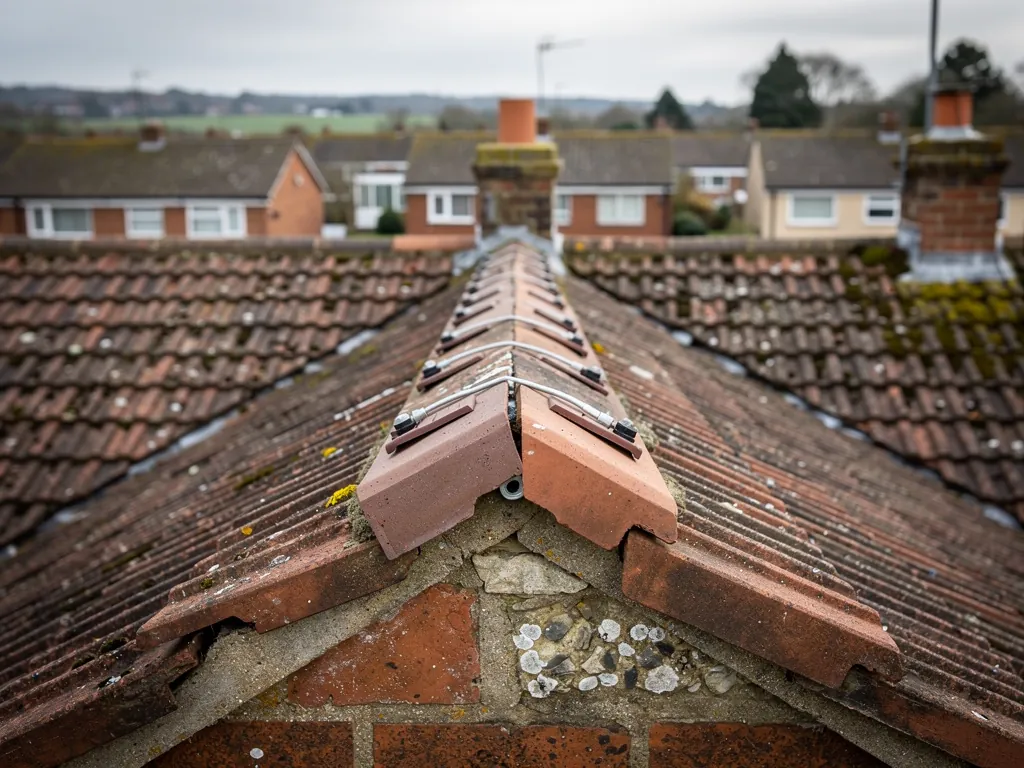
On later tiled houses it is usually the details, not the main slopes. Verge cloaks lift, ridge tiles loosen as their fixings corrode, valley liners crack, and the felt behind the battens tears where it was laid with a fold. Roofs of this age are generally still sound underneath, and a tidy repair buys many more years.
Q1.3What about flat sections over garages and porches?
A small flat roof lives a hard life. Standing water, trapped leaves and tired edge trims let moisture in at the weakest point. Sometimes a local repair is right, and sometimes the whole membrane has simply run out of years. We tell you which, and why. See our flat roofing page for the materials and what each is suited to.