The short answer
East Hanney Conservation Area was designated on 27 February 1978 and amended in 1990. Planning rests with Vale of White Horse District Council, and no Article 4 direction applies here. Matching repairs seldom need permission, and we explain any consent or Building Regulations notification before work starts.
East Hanney lies in the Vale of White Horse, so planning questions go to the district council at Abingdon. The council's conservation area map gives the designation date as 27 February 1978, amended on 18 December 1990, covering about 17 hectares.
Q3.1Which East Hanney roof jobs need a planning conversation?
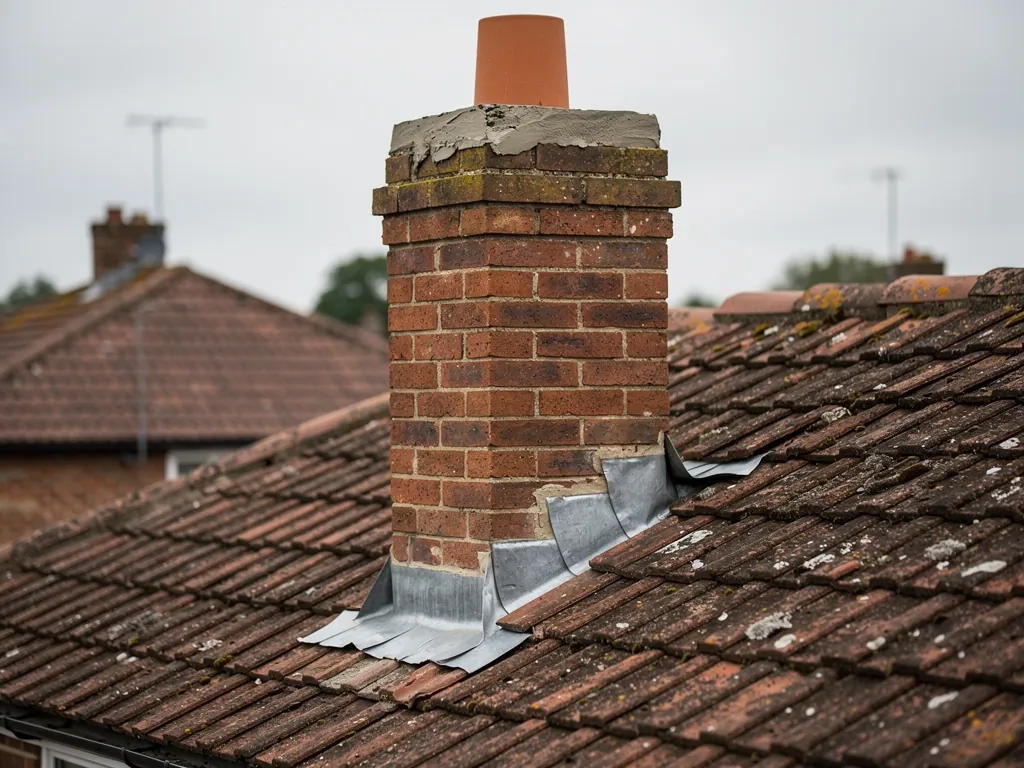
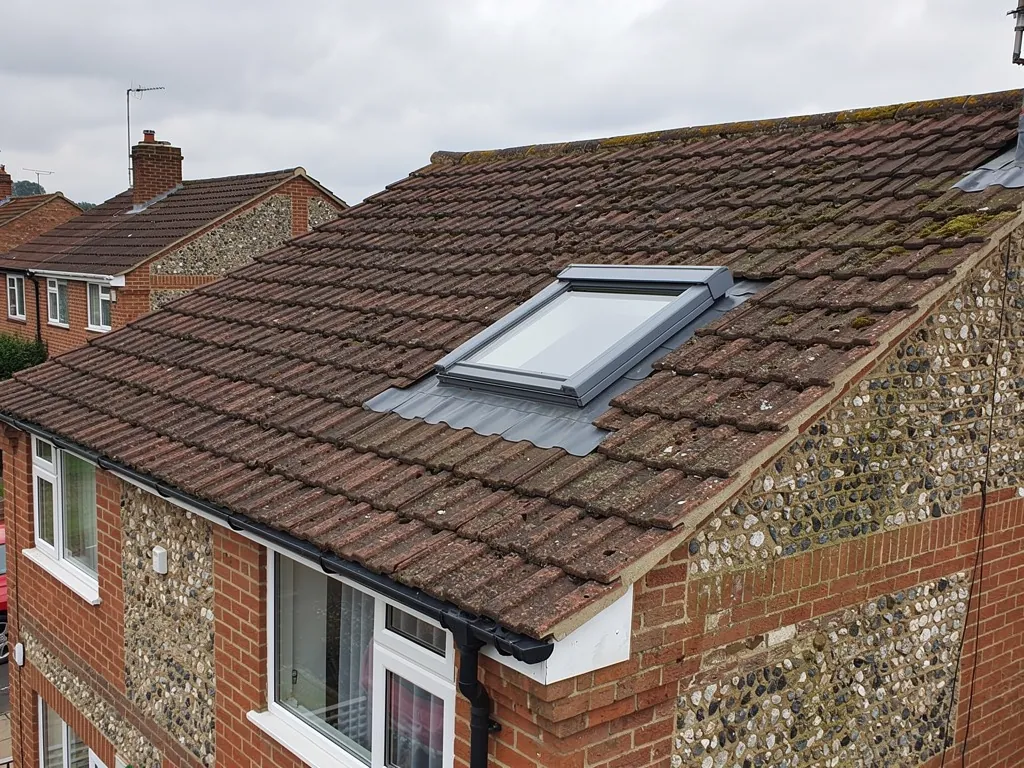
Putting things back as they were is maintenance. Refixing a ridge, swapping cracked tiles for matching ones, or renewing lead with lead leaves the house looking unchanged, so the planning question seldom arises. A new type of covering, a larger chimney alteration or new openings in a front slope are changes the council may wish to see first. A listed building is stricter again, since consent is required for anything touching its special character, and the roof covering counts.
Q3.2Is East Hanney under an Article 4 direction?
Only one Article 4 direction is listed as in force anywhere in the district, covering numbers 13 to 16 Thames Street, Abingdon. None applies in East Hanney, so the village does not carry extra restrictions beyond the ordinary conservation area controls.
Q3.3How does Southvale building control fit in?
For re-roofing, the Planning Portal sets thresholds of 25 per cent of the building envelope and 50 per cent of the roof, past which approval is needed. Vale of White Horse and South Oxfordshire share a building control team called Southvale, and a registered building control approver is the alternative. We say which route fits and file the notification ourselves whenever the job is notifiable.
The former parish church, St James the Less, was designed by G. E. Street in a thirteenth-century style and built in 1856, with lancet windows and a bellcote on the west gable. It has since been made redundant and converted into a private home, so it no longer comes under the church faculty system; like any house, it answers to the district council, with listed building consent needed for character-changing work if the building is listed.